电 话: +86 515-87237339
+86 515-87236996
传 真: +86 515-87236996
联系人: 王祥生
手 机: +86 13770162899
客服QQ: 475061838
邮 箱: 475061838@qq.com
xsy2899@gmail.com
WhatsApp:+44 7536286442
地 址: 阜宁经济开发区华山路31号
网 址: www.xsyfm.com
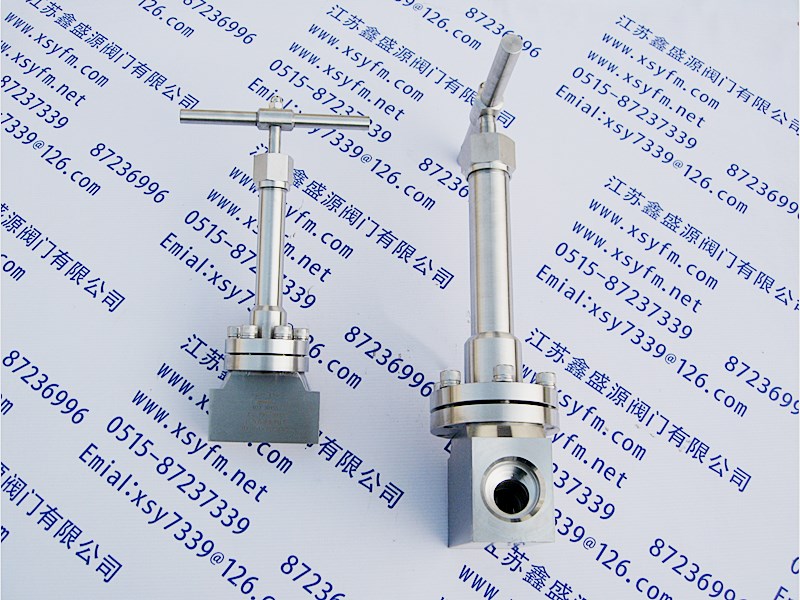
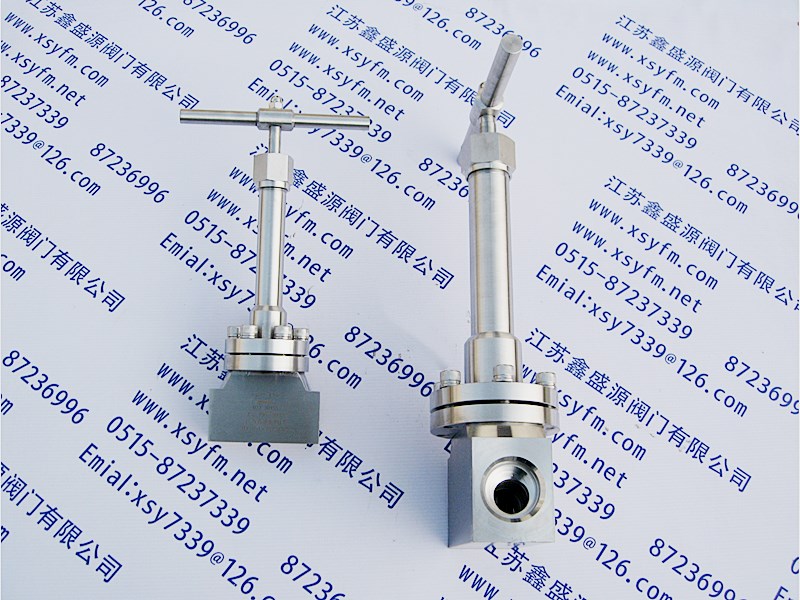
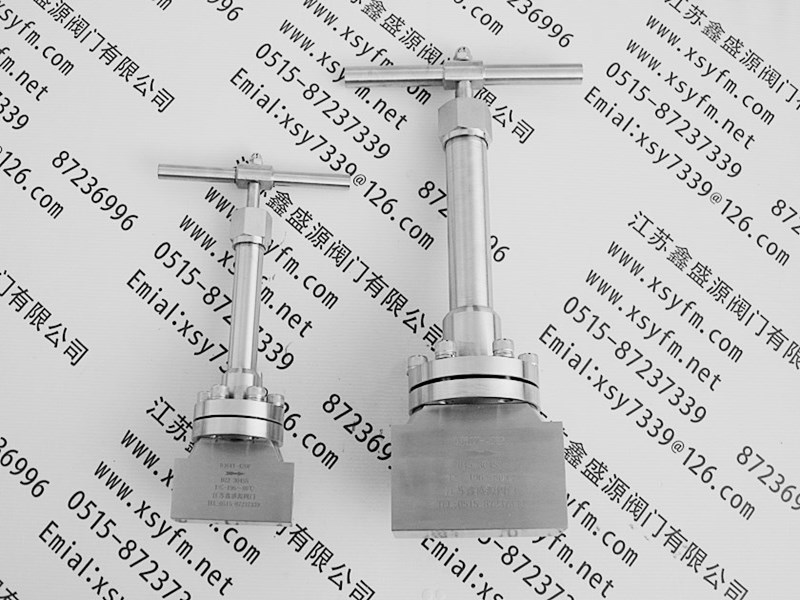
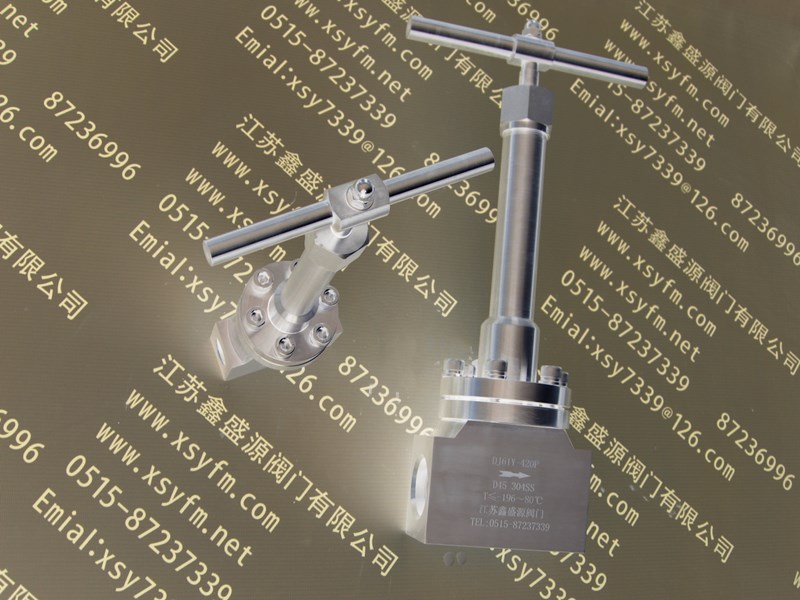
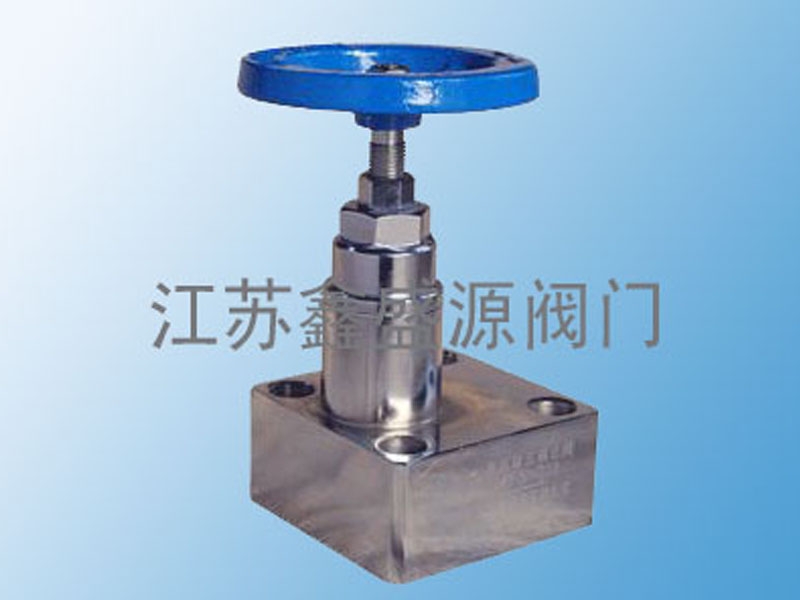
DJ61Y低温高压截止阀应用于气体液化设备、空分设备;天然气液化、储运设备;液态氧、氮、氩、氢、二氧化碳低温贮槽及槽车;变压吸附制氧、氮设备。 适用LO2、LN2、LNG、LC2H4、液氮、液氧等低温-196~80℃;压力在0.6~42MPa;通径DN6~50mm的情况下使用。
DJ61Y低温高压截止阀结构特点:
1、结构简单,制造和维修比较方便;
2、工作行程小,启闭时间短;
3、密封性好,密封面间磨擦力小,寿命较大;
4、流体阻力大,开启和关闭时所需力较大;
5、不适用于带颗粒、粘度较大、易结焦的介质;
6、调节性能较差。
DJ61Y低温高压截止阀产品性能参数:
公称通径 | DN10mm~50mm |
公称压力 | 1.6MPa-32MPa |
适用介质 | 液氧、液氮、液氩、液化天然气、 液态二氧化碳、液态丙烷等 |
适用温度 | -196℃~+150℃ |
DJ61Y低温高压截止阀产品主要零件材料:
阀体、阀盖 | 0Cr18Ni9 |
阀瓣、阀杆 | 0Cr18Ni9 |
密封圈 | T2 |
填料 | PTFE |
DJ61Y低温高压截止阀产品主要尺寸:
产品型号 | DJ61Y低温高压截止阀 | 重量 (kg) | |||||||
产品代号 | 通径 DN(mm) | 尺 寸(mm) | |||||||
H开 | H关 | D1 | D2 | L | A | D0 | |||
DJ61Y | 10 | 258 | 250 | 10 | 14.5 | 10 | 80 | 160 | 7.0 |
DJ61Y | 15 | 258 | 250 | 15 | 22.5 | 10 | 110 | 160 | 7.2 |
DJ61Y | 20 | 322 | 310 | 20 | 28.5 | 10 | 120 | 250 | 11.1 |
DJ61Y | 25 | 322 | 310 | 25 | 34.5 | 15 | 120 | 250 | 11.4 |
DJ61Y | 40 | 390 | 370 | 40 | 49.5 | 15 | 180 | 400 | 22.8 |
DJ61Y | 50 | 390 | 370 | 50 | 61.5 | 15 | 200 | 450 | 23.3 |
低温截止阀是专门设计用于低温介质(如液氮、液氧、液化天然气(LNG)、液氩等)的特种阀门。其工作温度通常低于-40°C,甚至可低至-196°C。这类阀门在材料选择、结构设计、密封和保温方面有特殊要求,以确保在深冷环境下能够安全稳定地运行,防止介质泄漏和阀门操作机构失效。
低温截止阀核心特点:
深冷材料处理:阀体、阀盖等主要部件采用耐低温的奥氏体不锈钢(如304、316L)或低温碳钢,这些材料在低温下仍能保持良好的韧性和强度,防止发生冷脆现象。
加长阀盖设计:这是明显外部特征。阀盖被明显加长,形成一个“冷箱”(Cold Box)。其目的是使阀杆填料函远离低温介质,让填料函的温度保持在0°C以上,防止其冻结,确保阀杆能够正常操作,并便于保温处理。
低温截止阀特殊密封设计:阀瓣与阀座的密封面常采用金属对金属的硬密封,或采用在低温下仍能保持弹性的特殊材料(如改性PTFE),确保密封的稳定性。
防泄漏与保温:所有密封环节都经过特殊设计,防止低温介质外漏。阀门通常与管道一起被包在保冷箱中,以减少冷量损失。
严格制造与检验:制造过程需遵循严格的低温阀门标准,并进行深冷处理(低温浸泡试验)和压力测试,以验证其在工况下的性能。
低温截止阀主要应用领域:
液化天然气(LNG)的储存、运输和再气化装置
空分设备(制氧、制氮设备)
低温液体储罐(液氮、液氧、液氩)的输送系统
石化行业中的乙烯、丙烯等低温介质装置
低温截止阀产品名称:
中文: 低温截止阀
英文: Cryogenic Globe Valve 或 Low-Temperature Globe Valve
Cryogenic Globe Valve
A Cryogenic Globe Valve is a specialized type of globe valve designed for use in low-temperature media services, such as liquid nitrogen, liquid oxygen, liquefied natural gas (LNG), liquid argon. Their operating temperatures are typically below -40°C can extend down to -196°C. These valves feature unique requirements in material selection, structural design, sealing, insulation to ensure safe reliable operation in deep cryogenic environments, preventing media leakage operational failure.
Key Features:
Cryogenic Materials: Primary components (body, bonnet) are constructed austenitic stainless steel (e.g., SS304, SS316L) low-temperature carbon steel, which retain excellent toughness strength at cryogenic temperatures to prevent brittle fracture.
Extended Bonnet (Stem Extension): This is the most distinctive external feature. The bonnet is significantly elongated to create a "cold box." This design keeps the stem packing away the cryogenic fluid, ensuring the packing temperature remains above 0°C to prevent freezing, allowing normal stem operation, facilitating easy insulation.
Specialized Sealing: The disc seat sealing surfaces often employ metal-to-metal hard sealing use special resilient materials (e.g., modified PTFE) that maintain elasticity at low temperatures to ensure reliable shut-off.
Leak Prevention & Insulation: All sealing points are specially designed to prevent leakage of the cryogenic medium. The valve is typically insulated within a cold box along with the piping to minimize cold loss.
Stringent Manufacturing & Testing: Manufacturing follows strict cryogenic valve standards. Each valve undergoes deep cryogenic treatment ( immersion testing) pressure tests to verify its performance under actual operating conditions.
Primary Applications:
Liquefied Natural Gas (LNG) storage, transportation, regasification facilities
Air separation plants (for producing oxygen, nitrogen)
Transfer systems for cryogenic liquid storage tanks (LN₂, LO₂, LAr)
Petrochemical plants handling ethylene, propylene, other cryogenic media
关键术语:
低温/深冷: Cryogenic
加长阀盖: Extended Bonnet / Lengthened Bonnet
奥氏体不锈钢: Austenitic Stainless Steel
冷脆: Brittle Fracture
深冷处理: Cryogenic Treatment / Deep Freeze Testing
本站部分内容图片来源于互联网,如有侵权请及时联系管理员删除,谢谢!