电 话: +86 515-87237339
+86 515-87236996
传 真: +86 515-87236996
联系人: 王祥生
手 机: +86 13770162899
客服QQ: 475061838
邮 箱: 475061838@qq.com
xsy2899@gmail.com
WhatsApp:+44 7536286442
地 址: 阜宁经济开发区华山路31号
网 址: www.xsyfm.com
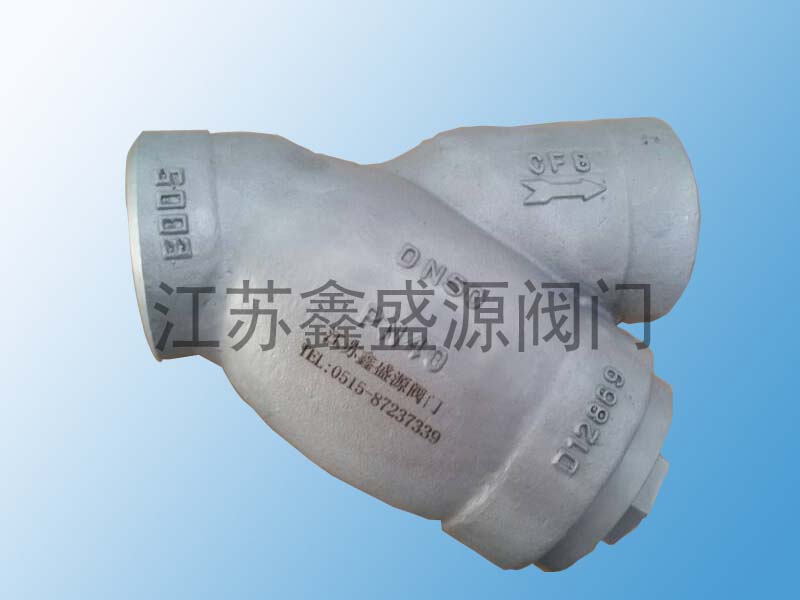
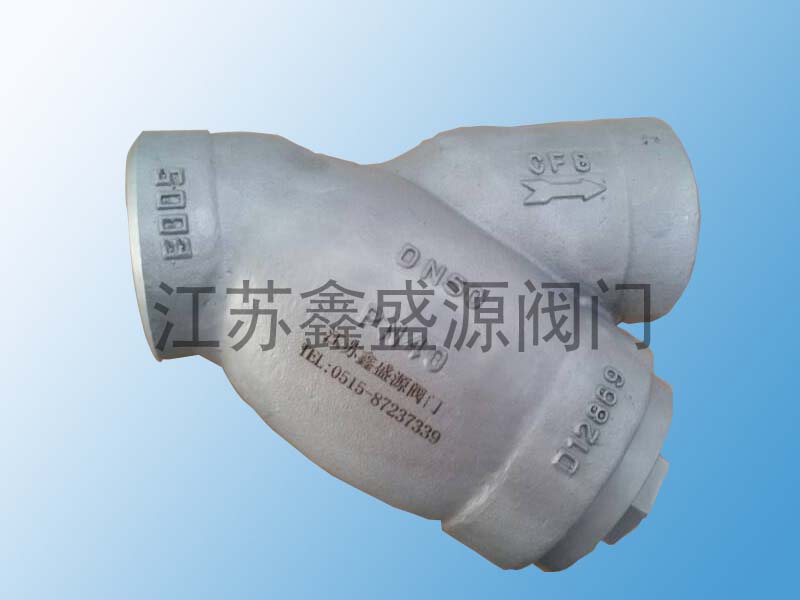
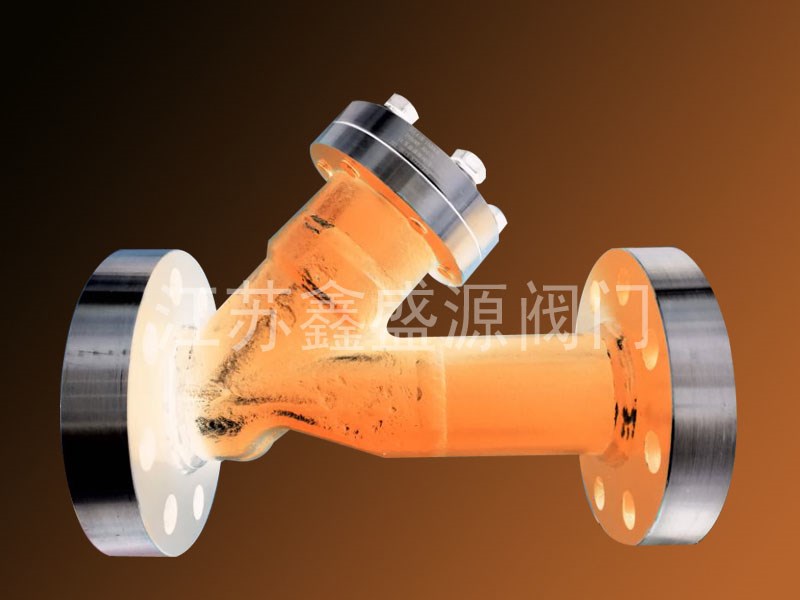

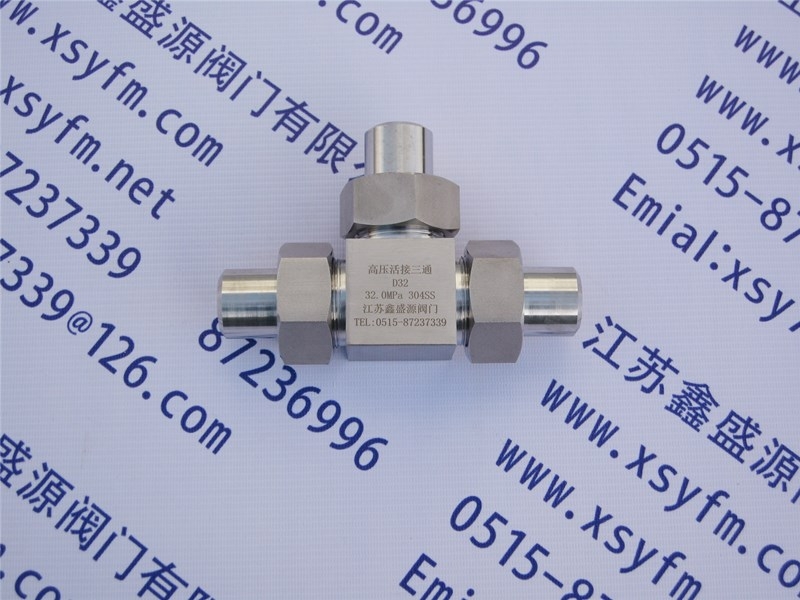
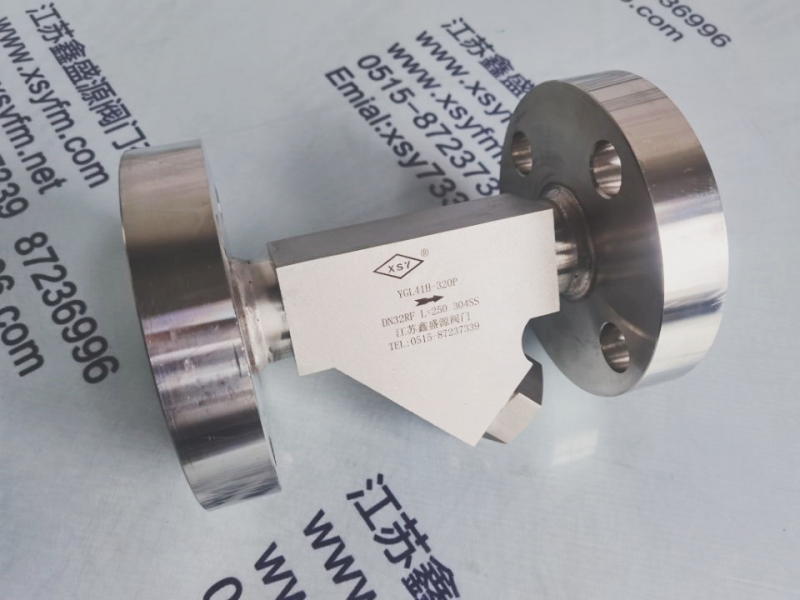
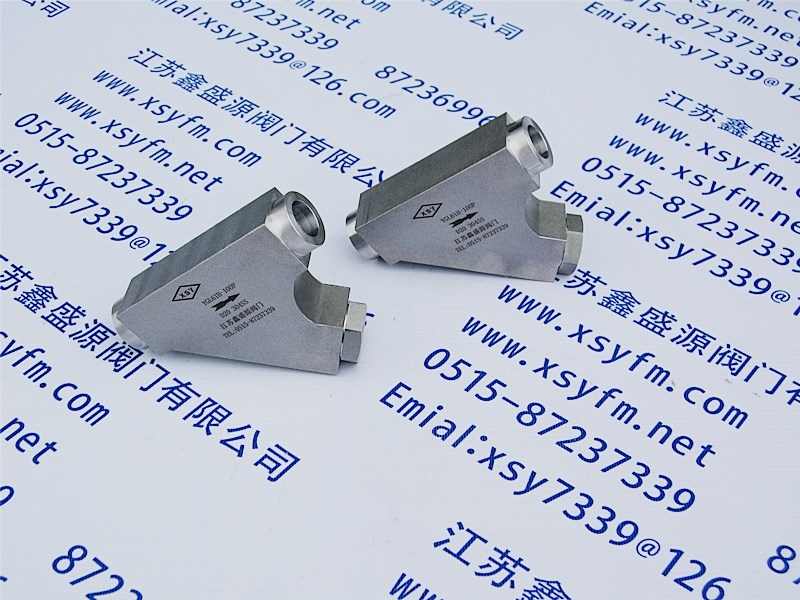
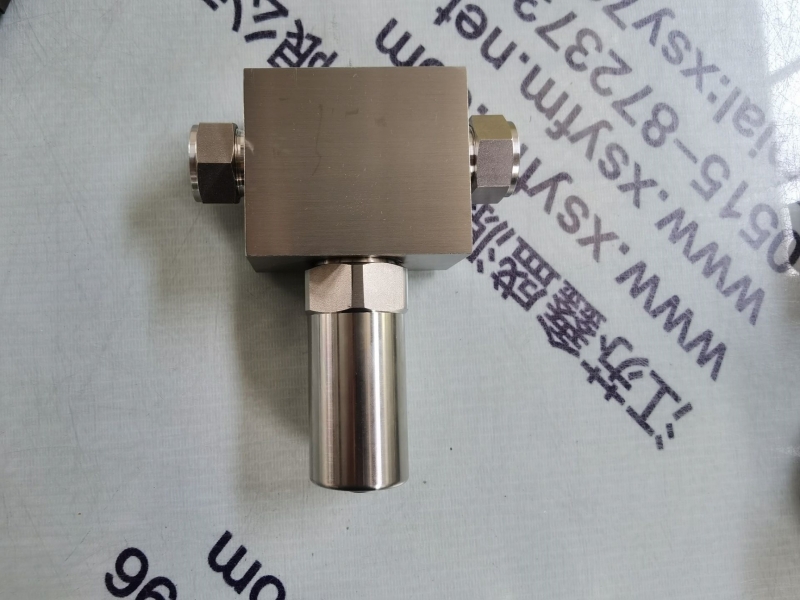
美标焊接过滤器是输送介质的管道系统不可缺少的一种过滤装置,通常安装在减压阀、泄压阀、定水位阀或其它设备的进口端,用来清除介质中的杂质,以保护阀门及设备的正常使用。具有结构稳定,阻力小,排污方便等特点。YGL61H美标焊接过滤器适用于蒸汽、空气、水、油品等系统管道中,保护各种计量仪器、泵机、阀门、蔬水器等设备。一般通水网为18~30目,通气网为10~100目,通油网为100~480目。过滤器的壳体内部主要由粗滤网、细滤网、吸污管,不锈钢刷或不锈钢吸嘴、密封圈、防腐涂层、转动轴等组成。
YGL61H美标焊接过滤器说明:
1.适用介质可为水、油、气,
2.过滤高、流通能力大、结构紧凑;
3.结构简单,可在线维修;
4.流通能力大,结构紧凑;密封严密,无气体渗漏;
5.安装省力,经济实惠;
6.连接方式:对焊过滤器 T型卡套过滤器 法兰过滤器 螺纹过滤器 插焊过滤器 活接焊接过滤器;
7.适用压力:1.0~100.0MPa
8.适用温度:-196~600℃
YGL61H美标焊接过滤器维护及保养方法:
①、粗滤过滤器
1、过滤器的核心部位是过滤器芯件,过滤芯由过滤器框和不锈钢钢丝网组成,不锈钢钢丝网属宜损件,需特别保护;
2、当过滤器工作一段时间后,过滤器芯内沉淀了一定的杂质,这时压力降增大,流速会下降,需及时清除过滤器芯内的杂质;
3、清洗杂质时,特别注意过滤芯上的不锈钢钢丝网不能变形或损坏,否则,再装上去的过滤器,过滤后介质的纯度达不到设计要求,压缩机、泵、仪表等设备会遭到破坏;
4、如发现不锈钢钢丝网变形或损坏,需马上更换。
②、精密过滤器
1、精密过滤器的核心部位是过滤滤芯,过滤芯由特殊的材料组成,属宜损件,需特别保护;
2、当精密过滤器工作一段时间后,过滤器滤芯拦载了一定量的杂质,这时压力降增大,流速会下降,需及时清除过滤器内的杂质,同时要清洗滤芯;
3、在清除杂质时,特别注意精密滤芯,不得变形或损坏,否则,再装上去的滤芯,过滤后介质的纯度达不到设计要求;
4、某些精密滤芯,不能多次反复使用,如袋式滤芯、聚丙烯滤芯等;
5、如发现滤芯变形或损坏,需马上更换。
美标焊接过滤器
美标焊接过滤器是指按照美国国家标准协会(ANSI)/美国机械工程师学会(ASME)等标准体系设计和制造的焊接式过滤器。它严格遵循美标规范,在材料、尺寸、压力等级、制造工艺和测试要求上符合美国标准,确保与同样符合美标的管道系统实现无缝对接和安全运行。
2. 美标焊接过滤器核心标准与规范
压力等级: 通常遵循 ASME B16.34 标准,常见等级如 Class 150, 300, 600, 900, 1500, 2500 等。
尺寸范围: 遵循 ASME B16.10 等标准,涵盖从 ½" 到数十英寸的多种口径。
材料要求: 材料选择符合 ASTM(美国材料与试验协会)标准,如阀体常用 ASTM A216 Gr. WCB(碳钢),ASTM A351 Gr. CF8/CF8M(不锈钢 304/316)等。
端部连接: 焊接端通常按照 ASME B16.25 标准进行坡口准备,以确保焊接质量和兼容性。
检验与测试: 通常遵循 API 598(阀门检验与测试)或 ASME BPVC(锅炉及压力容器规范)等标准进行严格测试。
3. 美标焊接过滤器主要特点
标准合规性: 严格遵循美标体系,是全球许多重大项目,特别是北美市场EPC项目。
高稳定性: 基于成熟的美标规范设计,在材料性能、结构强度和安全性方面有充分保障。
全球通用性: 美标是国家广泛认可和采用的标准体系,便于全球采购和设备配套。
高性能表现: 设计能够承受更高的压力和温度波动,适用于苛刻的工况。
精准的尺寸互换性: 严格按照标准尺寸制造,确保了与不同制造商生产的美标管件、阀门之间的互换性和安装便利性。
4. 美标焊接过滤器类型
美标焊接过滤器主要分为两种:
焊接直通式过滤器 (Welded Straight-through Strainer): 常见的类型,用于直管道,安装空间要求较小。
焊接Y型过滤器 (Welded Y-Type Strainer): 其滤网通常位于与主管道成一定角度的支管中,清洗时可能需更大操作空间,但流阻相对较小。
5.美标焊接过滤器 应用领域
广泛应用于遵循美标设计规范的行业和项目:
石油与天然气: 上游开采、炼油厂、长输管线。
化工与石化: 各种工艺装置和管线。
电力行业: 火电、核电的蒸汽和给水系统。
船舶与海洋工程: 尤其是为美国船级社(ABS)或国家项目建造的船舶。
国家EPC项目: 许多中东、亚洲、美洲的大型项目指定采用美标产品。
American Standard Welded Strainer Product Overview
1. Product Definition
An American Standard (ASME) Welded Strainer refers to a welded-type strainer designed manufactured in strict compliance with the American National Standards Institute (ANSI) / American Society of Mechanical Engineers (ASME) standard system. It adheres to US standards for materials, dimensions, pressure classes, manufacturing processes, testing requirements, ensuring seamless integration safe operation within piping systems that also conform to American standards.
2. Key Standards Specifications
Pressure Class: Conforms to ASME B16.34, common classes include Class 150, 300, 600, 900, 1500, 2500, etc.
Size Range: Complies with standards like ASME B16.10, covering a wide range of sizes ½" up to several dozen inches.
Material Requirements: Materials are selected according to ASTM (American Society for Testing Materials) standards, e.g., ASTM A216 Gr. WCB (Carbon Steel) for body, ASTM A351 Gr. CF8/CF8M (Stainless Steel 304/316).
End Connections: Welding ends are prepared according to ASME B16.25 standard to ensure weld quality compatibility.
Inspection Testing: Rigorously tested in accordance with standards such as API 598 (Valve Inspection Testing) ASME BPVC (Boiler Pressure Vessel Code).
3. Main Features
Standards Compliance: Strict adherence to the ASME standard system makes it the preferred choice for major global projects, particularly in the North American market international EPC projects.
High Reliability: Designed based on robust ASME specifications, ensuring guaranteed performance in material properties, structural strength, safety.
Global Acceptance: ASME standards are widely recognized adopted internationally, facilitating global sourcing equipment matching.
High Performance: Designed to withstand higher pressures temperature fluctuations, suitable for demanding service conditions.
Precise Dimensional Interchangeability: Manufactured to precise standard dimensions, ensuring interchangeability easy installation with other ASME pipes valves different manufacturers.
4. Types
Two primary types of ASME Welded Strainers:
Welded Straight-through Strainer: The most common type for straight pipelines, requiring smaller installation space.
Welded Y-Type Strainer: The screen is housed in a branch oriented at an angle to the main pipe. It may require more space for servicing but typically offers lower flow resistance.
5. Applications
Widely used in industries projects designed to American standards:
Oil & Gas: Upstream production, refineries, transmission pipelines.
Chemical & Petrochemical: Various process units pipelines.
Power Generation: Steam feedwater systems in thermal nuclear power plants.
Shipbuilding & Offshore: Especially for vessels built to American Bureau of Shipping (ABS) rules for international projects.
International EPC Projects: Many large-scale projects in the Middle East, Asia, the Americas specify the use of ASME products.
本站部分内容图片来源于互联网,如有侵权请及时联系管理员删除,谢谢!