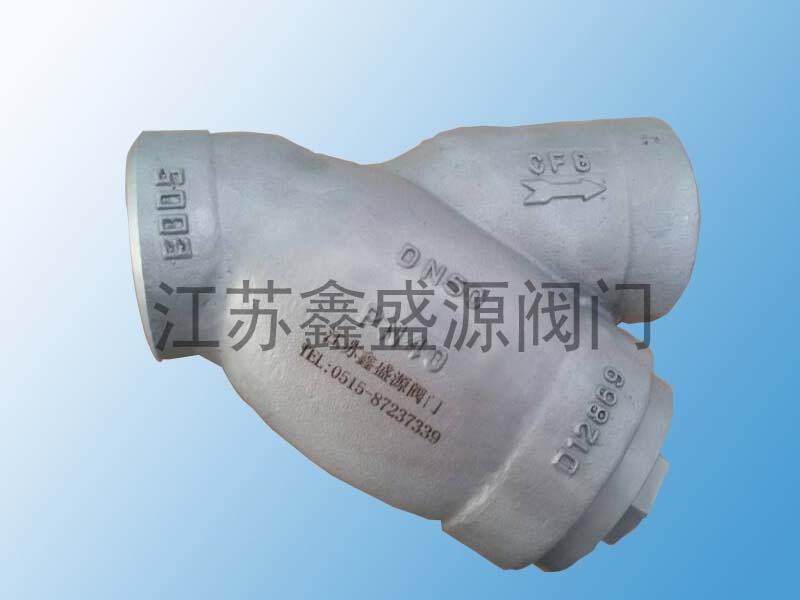
电 话: +86 515-87237339
+86 515-87236996
传 真: +86 515-87236996
联系人: 王祥生
手 机: +86 13770162899
客服QQ: 475061838
邮 箱: 475061838@qq.com
xsy2899@gmail.com
WhatsApp:+44 7536286442
地 址: 阜宁经济开发区华山路31号
网 址: www.xsyfm.com
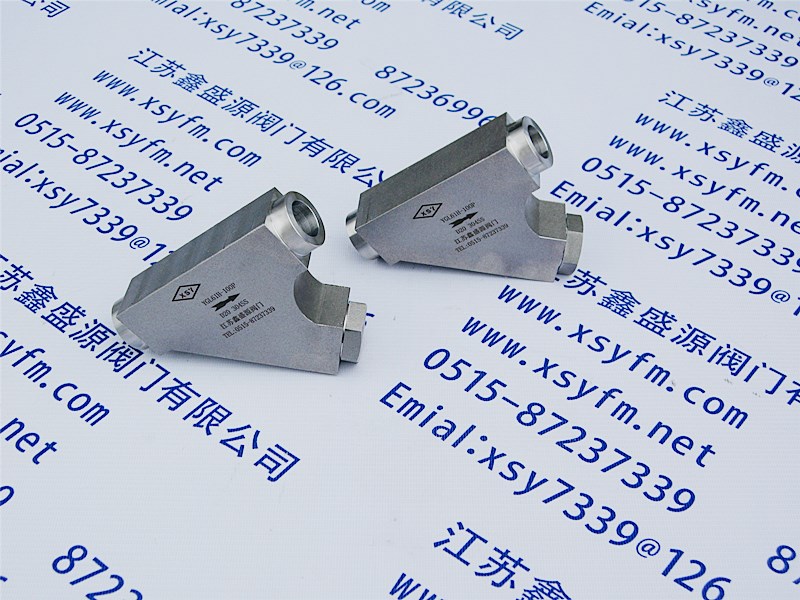
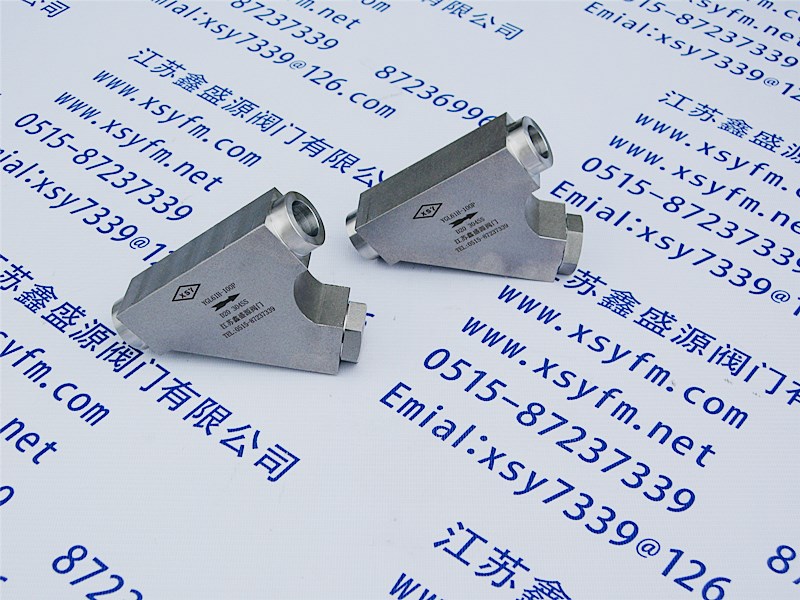
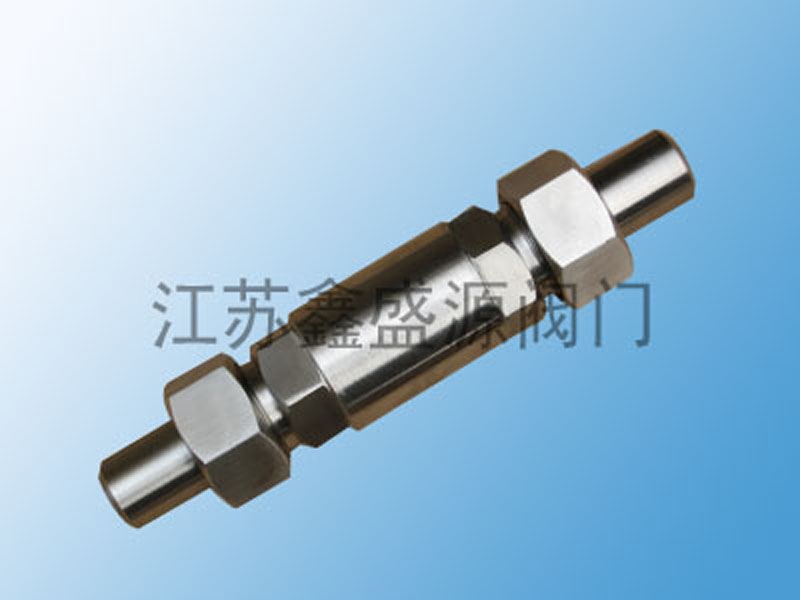
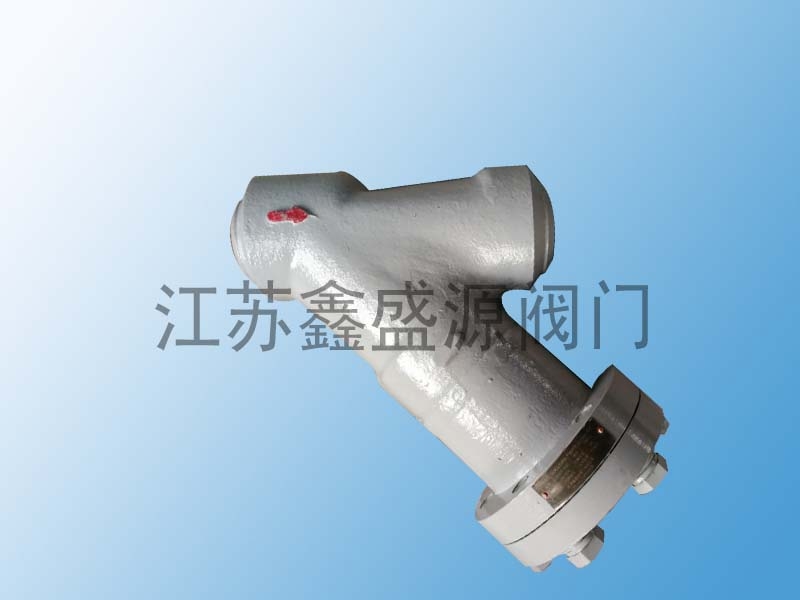
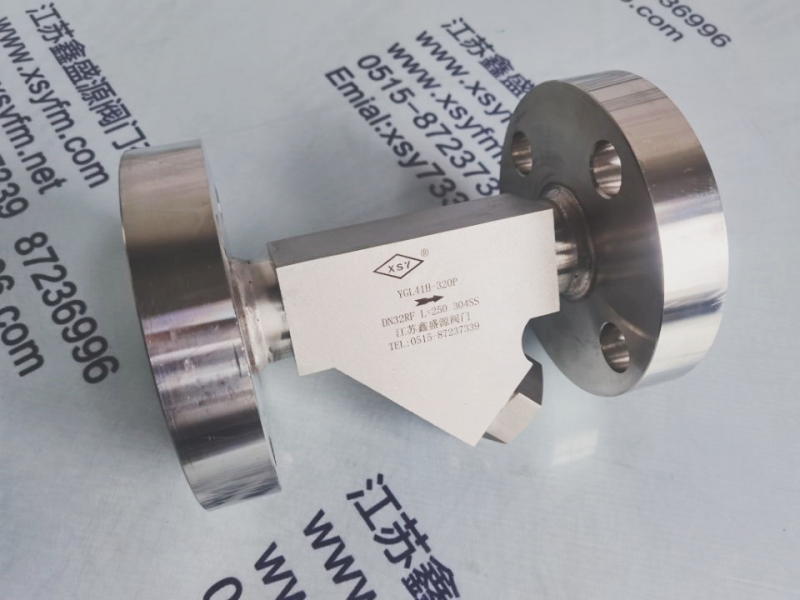
YGL61H承插焊过滤器是输送介质的管道系统不可缺少的一种过滤装置,通常安装在减压阀、泄压阀、定水位阀或其它设备的进口端,用来清除介质中的杂质,以保护阀门及设备的正常使用。具有结构好,阻力小,排污方便等特点。YGL61H美标焊接过滤器适用于蒸汽、空气、水、油品等系统管道中,保护各种计量仪器、泵机、阀门、蔬水器等设备。一般通水网为18~30目,通气网为10~100目,通油网为100~480目。过滤器的壳体内部主要由粗滤网、细滤网、吸污管,不锈钢刷或不锈钢吸嘴、密封圈、防腐涂层、转动轴等组成。
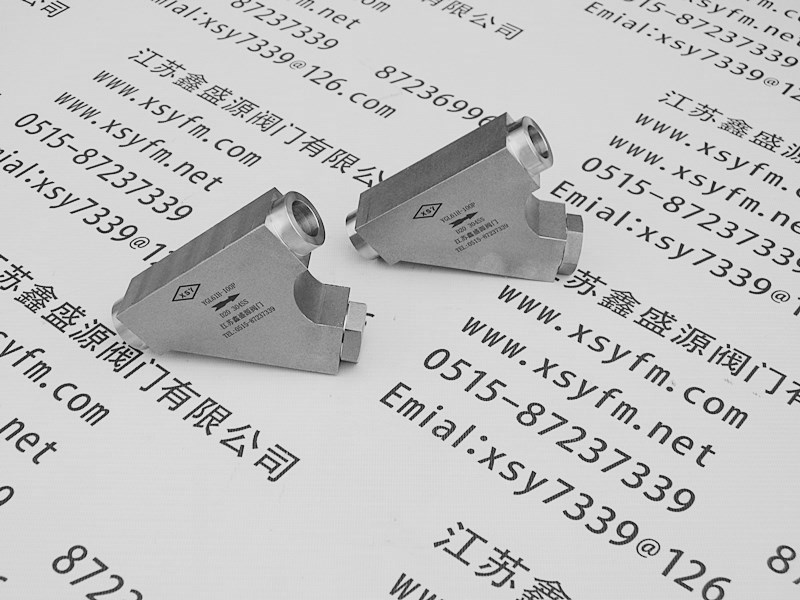
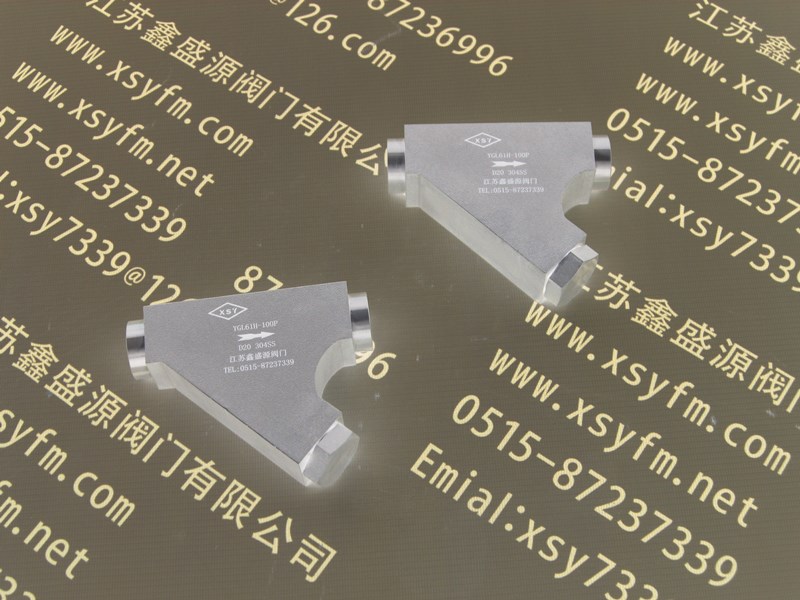
YGL61H承插焊过滤器说明:
1.适用于压缩天然气系统高压过滤单元;
2.过滤细、流通能力大、结构紧凑;
3.流通能力大,始于200-2500方CNG减压撬;
4.结构简单,可在线维修;
5.流通能力大,结构紧凑;密封严密,无气体渗漏;
6.安装省力,经济实惠;
7.连接方式:焊接过滤器 T型卡套过滤器 法兰过滤器 螺纹过滤器 插焊过滤器 活接焊接过滤器;
8.适用介质:天然气、人工煤气、液化石油气、空气等多种气体
9.适用压力:1.0~100.0MPa
10.适用温度:-196~600℃
YGL61H承插焊过滤器维护及保养方法:
①、粗滤过滤器
1、过滤器的核心部位是过滤器芯件,过滤芯由过滤器框和不锈钢钢丝网组成,不锈钢钢丝网属宜损件,需特别保护;
2、当过滤器工作一段时间后,过滤器芯内沉淀了一定的杂质,这时压力降增大,流速会下降,需及时清除过滤器芯内的杂质;
3、清洗杂质时,特别注意过滤芯上的不锈钢钢丝网不能变形或损坏,否则,再装上去的过滤器,过滤后介质的纯度达不到设计要求,压缩机、泵、仪表等设备会遭到破坏;
4、如发现不锈钢钢丝网变形或损坏,需马上更换。
②、精密过滤器
1、精密过滤器的核心部位是过滤滤芯,过滤芯由特殊的材料组成,属宜损件,需特别保护;
2、当精密过滤器工作一段时间后,过滤器滤芯拦载了一定量的杂质,这时压力降增大,流速会下降,需及时清除过滤器内的杂质,同时要清洗滤芯;
3、在清除杂质时,特别注意精密滤芯,不得变形或损坏,否则,再装上去的滤芯,过滤后介质的纯度达不到设计要求;
4、某些精密滤芯,不能多次反复使用,如袋式滤芯、聚丙烯滤芯等;
5、如发现滤芯变形或损坏,需马上更换。
承插焊过滤器
承插焊过滤器是一种通过承插焊(Socket Weld)方式与管道连接的过滤设备。其阀体两端加工有承插口,管道可直接插入其中,然后在接口处进行角焊连接。它结合了焊接的密封相对简便的安装方式,是小口径高压管道系统中常用的过滤装置。
2. 承插焊过滤器主要特点
好的密封性: 焊接连接提供了无泄漏的密封,稳定性远高于螺纹或法兰连接,特别适用于高压、振动或易泄漏的工况。
结构紧凑: 相比对焊连接,承插焊接口的结构更为紧凑,所需安装空间更小,非常适合空间受限的场合。
强度高、耐压好: 焊接结构使其能够承受较高的管道压力和应力,包括热循环和机械振动。
安装简便: 相对于对焊(Butt Weld),承插焊对管道端部准备的要求较低(只需简单的平口处理),对口和焊接操作更容易,减少了安装时间和技能要求。
无需垫片: 消除了法兰连接所需的垫片,减少了潜在的泄漏点和维护需求。
3. 承插焊过滤器注意事项
间隙要求: 在承插焊设计中,管道插入承插口后,必须在底部留有约 1.6mm 的间隙。此间隙用于补偿焊接时的热膨胀,防止焊缝在冷却过程中产生过大的应力而开裂。
不可拆卸: 与所有焊接连接一样,该连接是长时间性的。如需拆卸,必须切割管道,因此通常用于不常需要拆卸的部位。
适用口径: 主要用于公称通径(DN)较小(通常为 DN50 / NPS 2英寸及以下)的管道系统。
4. 承插焊过滤器工作原理
流体从进口流入,通过内部滤网(篮式或网式)。滤网将流体中的固体颗粒杂质(如铁锈、焊渣、密封材料碎片等)截留,洁净的流体则从出口流出,从而保护下游的精密设备(如控制阀、流量计、泵、压缩机等)。
5. 承插焊过滤器应用领域
广泛应用于小口径且对密封性要求高的高压管道系统:
石油化工: 仪表引压管、取样管、小型工艺管线。
电力行业: 锅炉给水系统、蒸汽取样系统。
制药行业: 高纯工艺管道。
压缩空气系统: 保护气动工具和仪表。
其他: 易燃、易爆、有毒或贵重流体介质的输送管道。
Socket Weld Strainer Product Overview
1. Product Definition
A Socket Weld Strainer is a type of filtration device that connects to the piping system via socket weld connections. The strainer body has socket (recessed) ends into which the pipe is inserted. The connection is then completed by applying a fillet weld around the joint. It combines the reliability of a welded seal with relatively straightforward installation, making it a common choice for high-pressure, small-bore piping systems.
2. Key Features
Excellent Sealing: The welded connection provides a permanent, leak-proof seal, offering significantly higher reliability than threaded flanged connections, especially in high-pressure, high-vibration, leakage-prone services.
Compact Structure: The socket weld connection is more compact than a butt weld connection, requiring less installation space. This makes it ideal for space-restricted locations.
High Strength Pressure Resistance: The welded construction allows it to withstand high pipeline pressure stress, including thermal cycling mechanical vibration.
Easier Installation: Compared to butt welding, socket welding requires less pipe end preparation (only a simple square cut is needed). Alignment welding operations are simpler, reducing installation time skill requirements.
Gasketless: Eliminates the gaskets required for flanged connections, reducing potential leak points maintenance needs.
3. Important Considerations
Gap Requirement: A fundamental rule of socket weld design is to leave an expansion gap (approximately 1.6mm) between the pipe end the bottom of the socket after insertion. This gap accommodates thermal expansion during welding prevents the weld cracking due to high stress upon cooling.
Non-Detachable: Like all welded connections, it is permanent. Removal requires cutting the pipe, so it is typically used in locations disassembly is frequently required.
Size Application: Primarily used for smaller nominal pipe sizes (typically DN50 / NPS 2 inches below).
4. Working Principle
Fluid enters through the inlet passes through an internal screen (basket mesh). The screen retains solid particulate contaminants (e.g., rust, weld slag, sealant debris), allowing only clean fluid to exit through the outlet. This process protects downstream sensitive equipment such as control valves, flow meters, pumps, compressors.
5. Applications
Widely used in high-pressure, small-bore piping systems leak-tightness is critical:
Petrochemical: Instrument impulse lines, sample lines, small process lines.
Power Generation: Boiler feedwater systems, steam sample systems.
Pharmaceutical: High-purity process piping.
Compressed Air Systems: Protecting pneumatic tools instruments.
Others: Pipelines transporting flammable, explosive, toxic, precious media.
技术支持:
+86-137-7016-2899

本站部分内容图片来源于互联网,如有侵权请及时联系管理员删除,谢谢!