电 话: +86 515-87237339
+86 515-87236996
传 真: +86 515-87236996
联系人: 王祥生
手 机: +86 13770162899
客服QQ: 475061838
邮 箱: 475061838@qq.com
xsy2899@gmail.com
WhatsApp:+44 7536286442
地 址: 阜宁经济开发区华山路31号
网 址: www.xsyfm.com
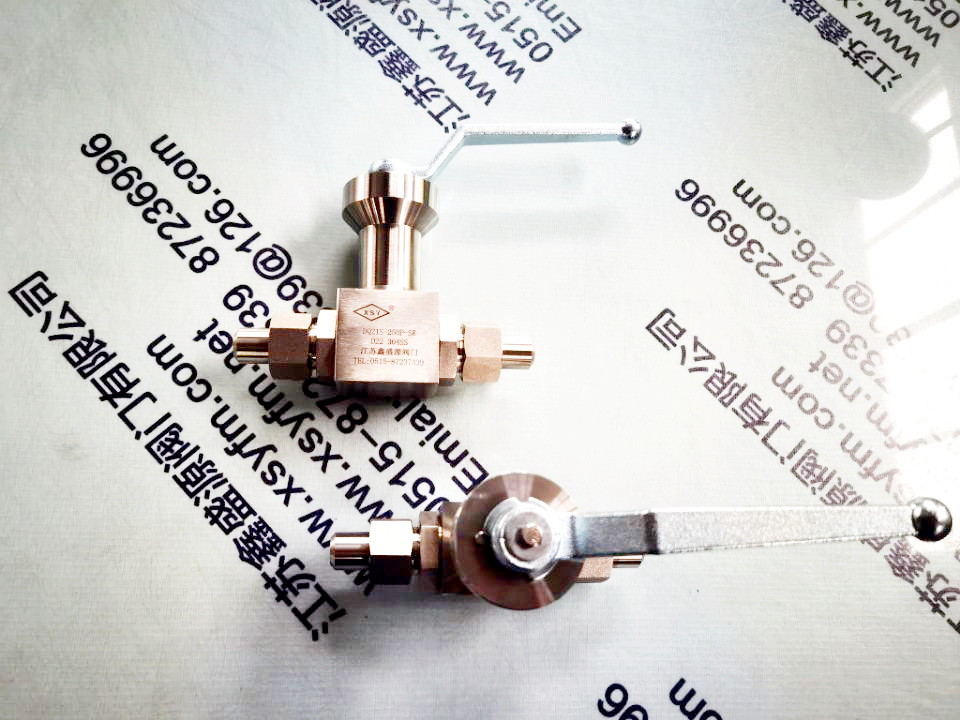
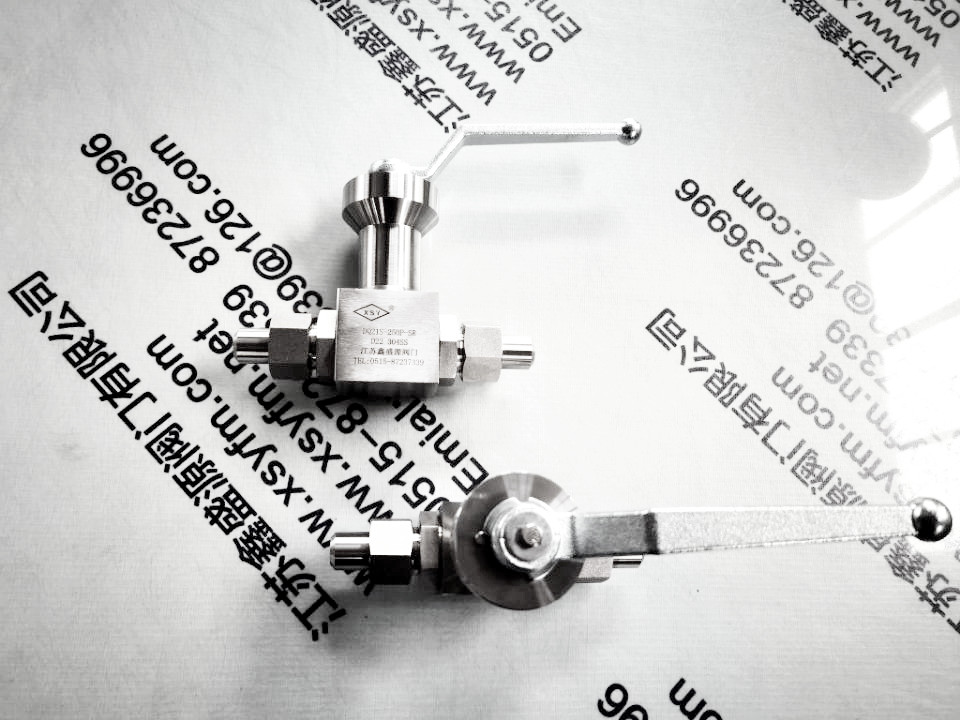
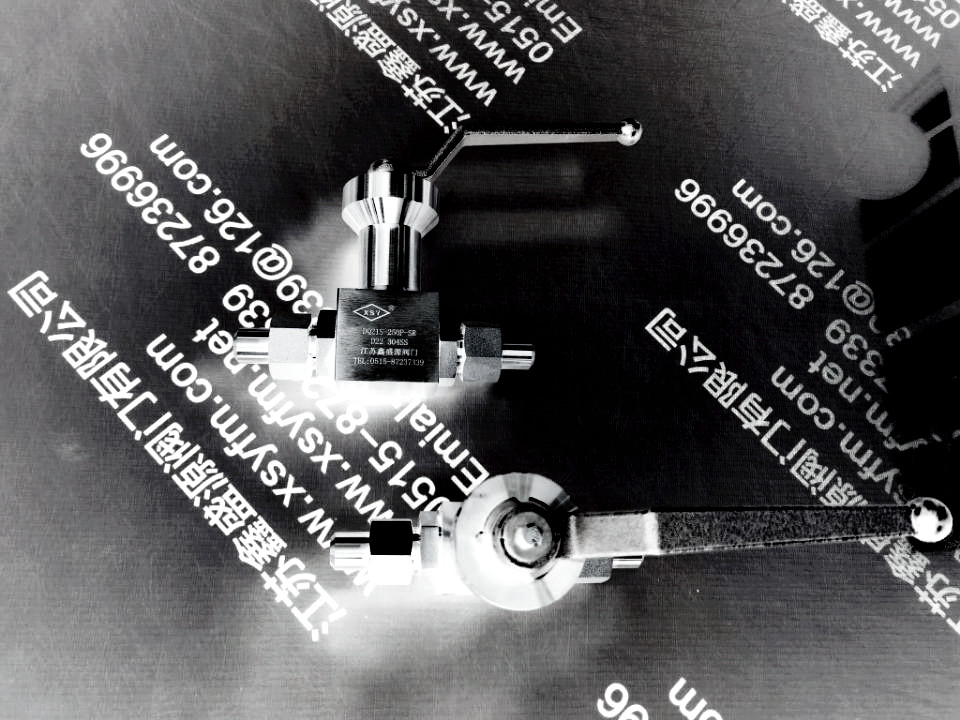
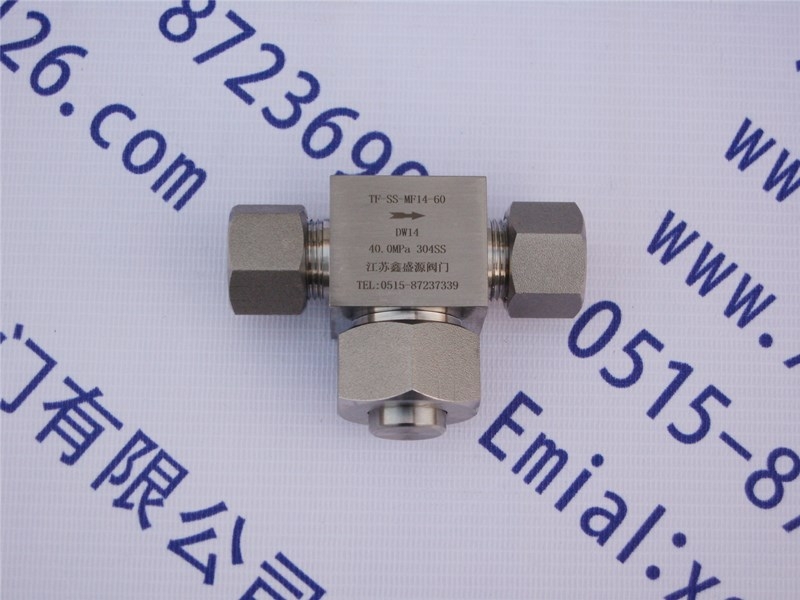
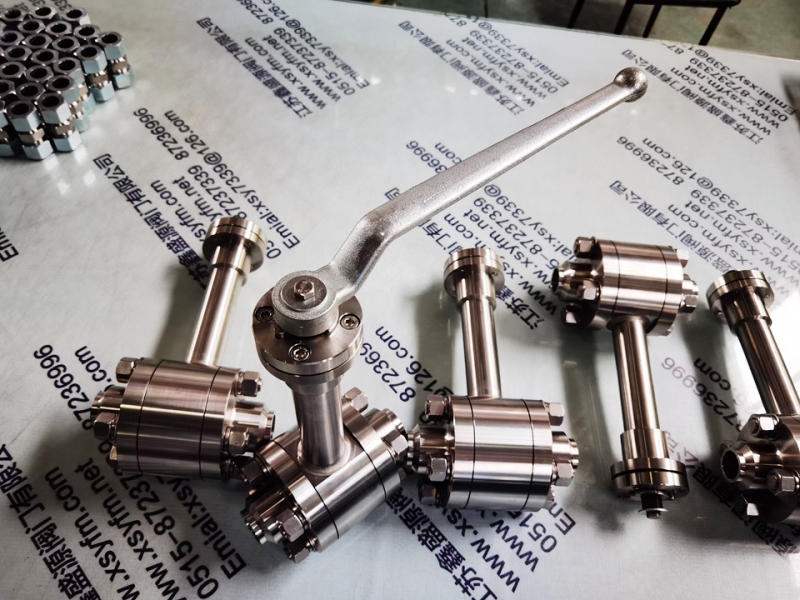
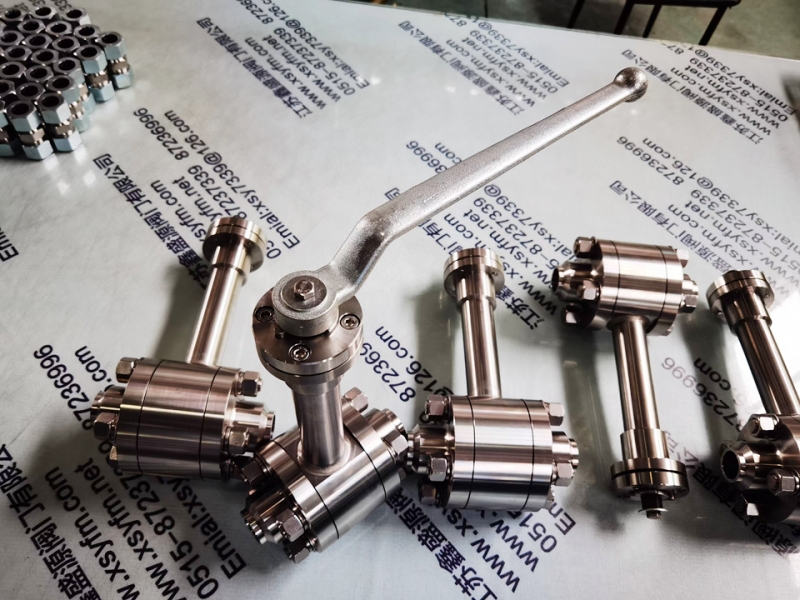
低温高压球阀产品概述
低温高压球阀是一种适用于低温、高压工况的特殊阀门,能在极低温度(通常可低至-196℃甚至更低)和高压力环境下稳定工作,有效控制流体的通断或调节。以下是其具体介绍:
低温高压球阀结构特点:阀体多采用耐低温材料(如低温钢)制造,密封结构设计特殊,通常配备弹性或刚性密封件,确保在低温下仍能保持良好密封性。球体与阀座的配合精度高,减少低温下因材料收缩导致的泄漏风险。部分产品设有防吹出阀杆结构,提升使用安全性。
低温高压球阀性能优势:具备很好的耐低温性能和高压承载能力,低温下机械性能稳定,不易因温度变化产生脆化。密封稳定,泄漏率低,能适应频繁操作,使用寿命长。
低温高压球阀适用范围:广泛应用于天然气液化(LNG)、石油化工、低温制冷、航空航天等领域,可用于输送液化天然气、液氮、液氧等低温介质,以及高压状态下的其他流体。
低温高压球阀连接与驱动方式:连接方式包括法兰连接、焊接连接等;驱动方式有手动、电动、气动等,可根据实际工况需求选择。
Product Overview of Cryogenic High-Pressure Ball Valve
The cryogenic high-pressure ball valve is a special valve suitable for cryogenic high-pressure working conditions. It can work stably in extremely low temperature (usually as low as -196℃ even lower) high-pressure environments, effectively controlling the on-off regulation of fluids. The specific introduction is as follows:
Structural features: The valve body is mostly made of low-temperature resistant materials (such as low-temperature steel). The sealing structure is specially designed, usually equipped with elastic rigid seals to ensure good sealing performance even at low temperatures. The matching precision between the ball the valve seat is high, reducing the risk of leakage caused by material shrinkage at low temperatures. Some products are equipped with a blow-out proof valve stem structure to improve operational safety.
- Performance advantages: It has excellent low-temperature resistance high-pressure bearing capacity. Its mechanical properties are stable at low temperatures, it is easy to embrittle due to temperature changes. It features reliable sealing, low leakage rate, can adapt to frequent operations, has a long service life.
- Scope of application: It is widely used in fields such as liquefied natural gas (LNG), petrochemical industry, low-temperature refrigeration, aerospace, etc. It can be used to transport cryogenic media such as liquefied natural gas, liquid nitrogen, liquid oxygen, as well as other fluids under high-pressure conditions.
- Connection driving modes: Connection modes include flange connection, welded connection, etc.; driving modes include manual, electric, pneumatic, etc., which can be selected according to actual working condition requirements.
技术支持:
+86-137-7016-2899

本站部分内容图片来源于互联网,如有侵权请及时联系管理员删除,谢谢!