电 话: +86 515-87237339
+86 515-87236996
传 真: +86 515-87236996
联系人: 王祥生
手 机: +86 13770162899
客服QQ: 475061838
邮 箱: 475061838@qq.com
xsy2899@gmail.com
WhatsApp:+44 7536286442
地 址: 阜宁经济开发区华山路31号
网 址: www.xsyfm.com

说明
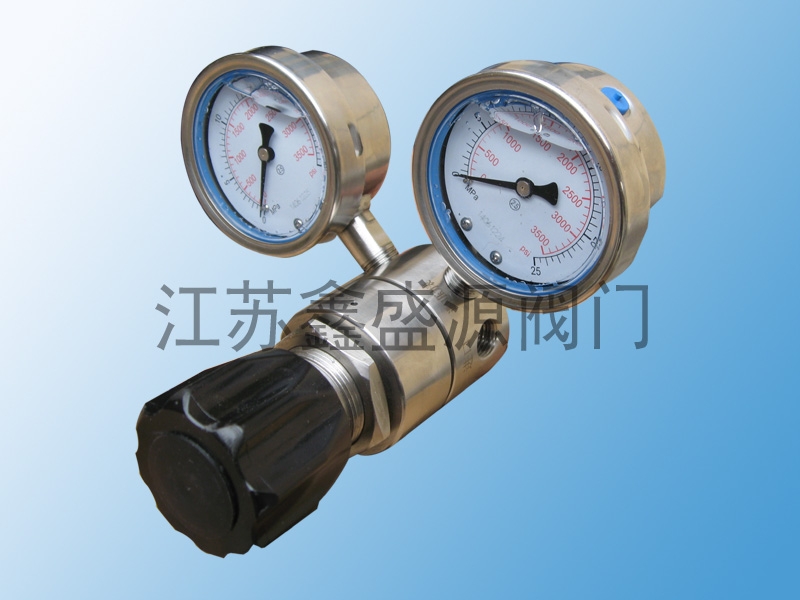
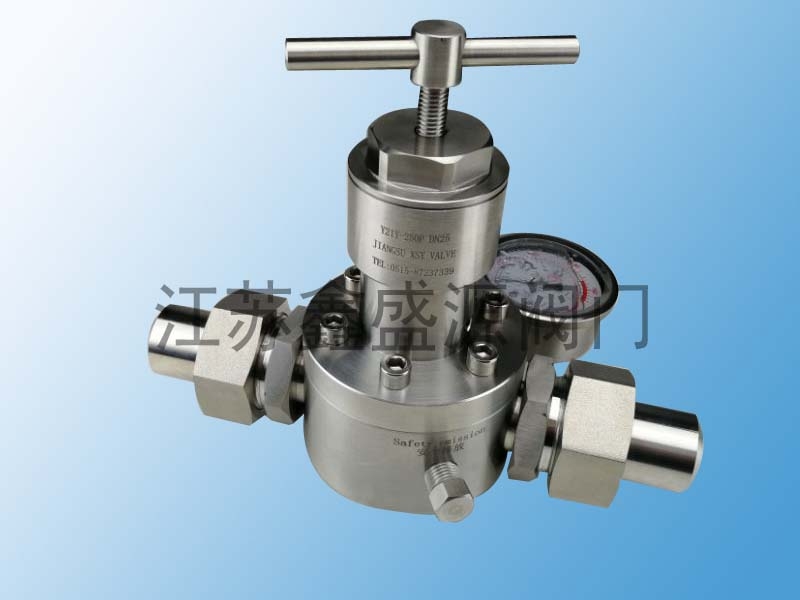
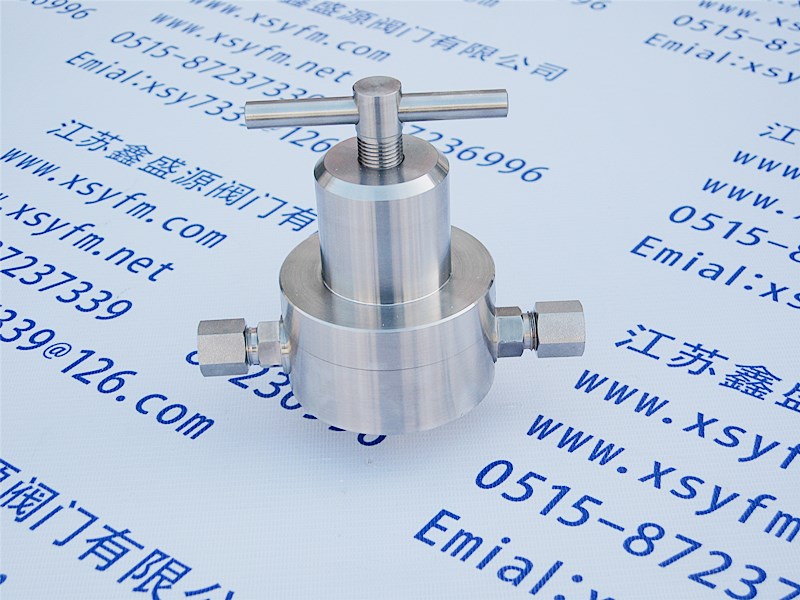
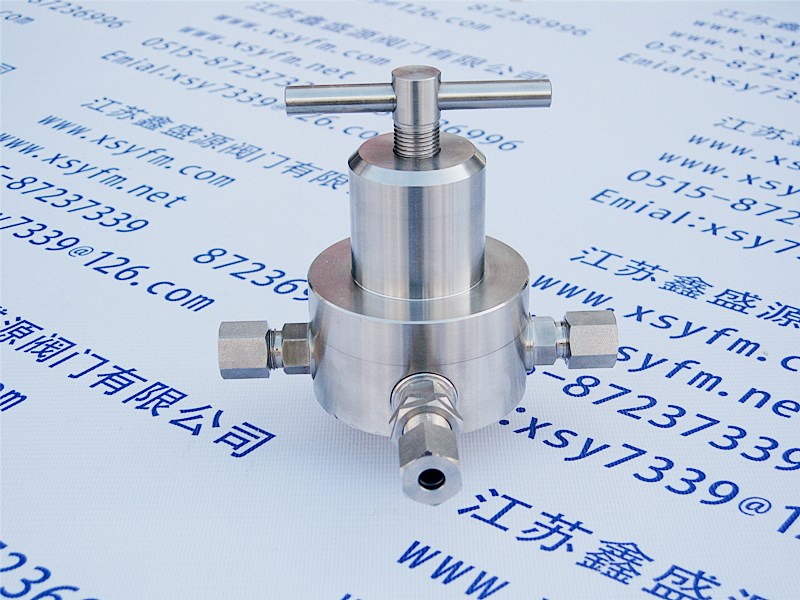
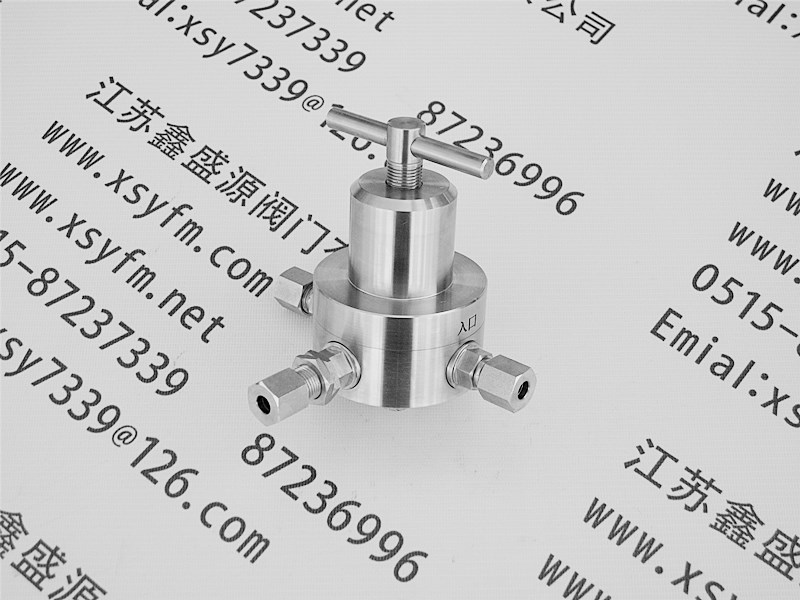
YT-1型减压阀是阀后式气体压力调节器(即一般所说的减压阀)可控制其后部装置的压力为一恒定值。YT-1型压力调节器由于其结构的限制,建议在不太重要的场合下使用。
一、主要性能参数
入口压力:P1≤160kg出口压力:P2≤5kgf/cm2
流量系数:C=5×10⁻²
适用介质:弱腐蚀性无杂质气体
使用温度:常温
压力特性偏差:P1±10% ΔP2≤±0.3kgf/cm2
流量特性偏差:Q±10% ΔP2≤±0.5kgf/cm2
接管外径:Φ8×1.5或其它规格
接管方式:外螺纹卡套式连接或其它形式
二、工作原理
YT-1型压力调节器为直接作用压力调节器,采用力平衡原理设计而成。其结构原见图(一),使用时板动手柄。转动阀杆,压缩弹簧,使膜片顶动压阀杆将阀瓣向下移动,这时气体通过阀座小孔进入出口,直到出口压力达到规定压力时停止转动手柄。由于平衡室和出口相遇,因此出口压力和平衡室的压力相等,如果出口压力比规定的压力高,则平衡室气体会迫使膜片上移压缩弹簧,这时阀瓣又回到原来的位置,如果出口压力比规定压力低,则阀座又被打开。如此反复地自动调节。又由于阀瓣有一定的开度,使入出口流量相等,从而确保了出口压力为一恒值。
三、安装
YT-1型压力调节器一般按图(二)所示的连接方式接入工艺流程,安装时务必认准各连接口标记,不能搞错,以致不能起调节稳压作用,或者损坏调节器。压力调节器及副阀应装在仪表盘前部,以利操作。
四、操作使用
A.操作前的检查检查调节器的安装连接应正确无误,确认控入阀、控出阀、放空阀为关闭状态,压力调节器阀杆应无作用力在弹簧上,管线无泄漏,允许气体输入。
B.投入操作
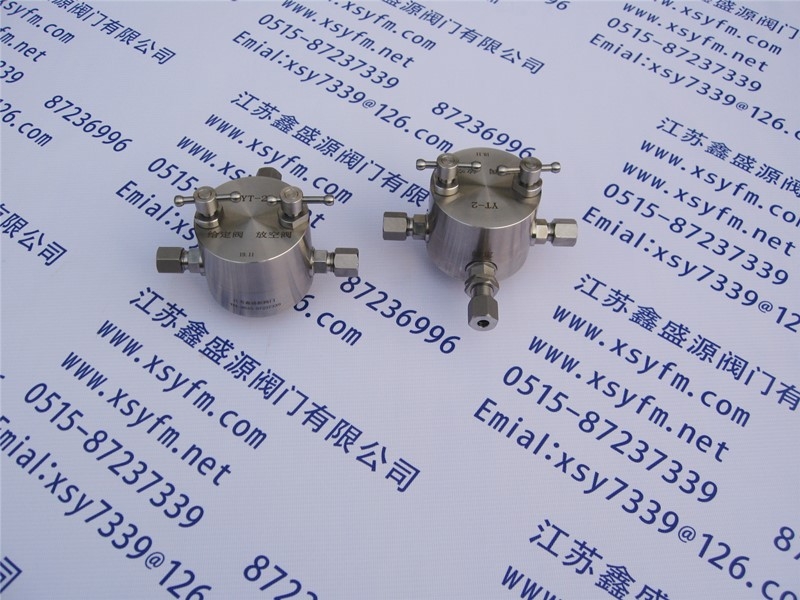
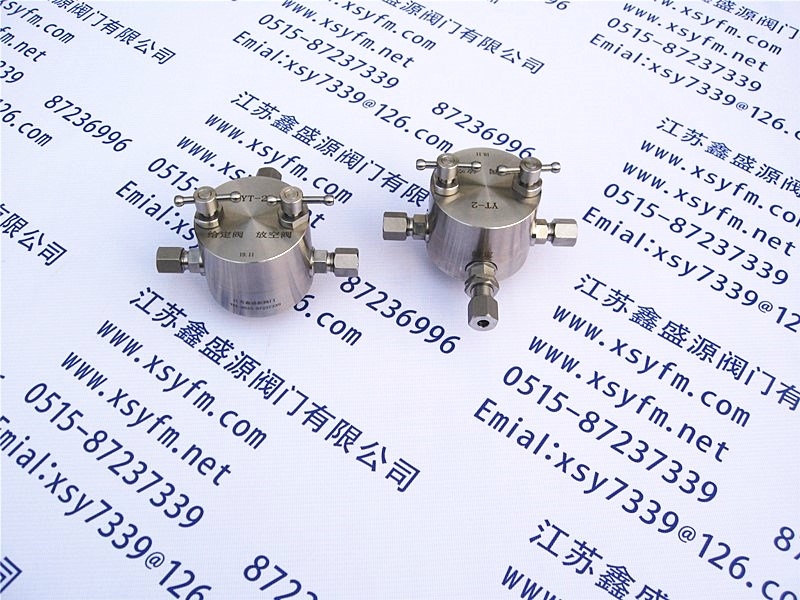
a.打开控入阀,同时观察自量压力表,如气源压力≤160kgf/cm2,应无压力示值,如气源压力>160kgf/cm2,将出现压力值,这时应打开放空阀,直至打开控入阀自量压力无数值为止,如果气体不能放空,则应在YT-1型压力调节器前装一台YT-2型压力调节器组成两次调节系统。
b.缓缓扳动压力调节器手柄,观察自量压力表的读数使自量压力表的读数略高于所需的压力值,待自量压力稳定后停止扳动手柄。
c.打开控出阀后向装置送气。并调整控入控出阀使流量满足装置要求。
d.检查装置压力是否满足要求。
YT-1型压力调节器是一种直接作用式的阀后式气体压力调节器,通常被称为减压阀。它的主要功能是控制其下游装置的压力,使其保持恒定。该产品结构相对简单,建议用于非关键的场合。
2. YT-1型压力调节器主要性能参数
以下是YT-1型压力调节器的主要技术规格:
· 入口压力 (Inlet Pressure): P1 ≤ 160 kgf/cm²
· 出口压力 (Outlet Pressure): P2 ≤ 5 kgf/cm²
· 流量系数 (Flow Factor): C = 5 × 10⁻²
· YT-1型压力调节器适用介质 (Applicable Medium): 弱腐蚀性、无杂质气体 (Weak corrosive impurity-free gases)
· YT-1型压力调节器使用温度 (Operating Temperature): 常温 (Room Temperature)
· 接管方式 (Connection Type): 外螺纹卡套式连接或其他形式 (External thread ferrule connection other forms)
3. YT-1型压力调节器工作原理
YT-1型压力调节器基于力平衡原理工作。
· 调压过程:转动手柄,压缩弹簧,使膜片推动阀杆和阀瓣下移。气体通过阀座进入出口,直至出口压力达到设定值。
· 稳压过程:若出口压力高于设定值,平衡室内的气体会压迫膜片上移,使阀瓣回位,减少气体通过;若压力低于设定值,阀瓣则会再次打开。通过这样的反复自动调节,来确保出口压力的稳定。
4. YT-1型压力调节器安装与操作
安装说明:
安装时须认清各连接口的标记,通常按特定的连接方式图接入工艺流程。压力调节器及副阀应安装在仪表盘前部,以便于操作。
YT-1型压力调节器操作步骤:
· 操作前检查:确认控入阀、控出阀、放空阀处于关闭状态,调节器阀杆对弹簧无作用力,管线无泄漏。
· YT-1型压力调节器投入操作:
1. 打开控入阀。
2. 缓缓扳动调节器手柄,观察压力表,使压力略高于所需值。
3. 待压力稳定后,打开控出阀向装置送气。
4. 通过微调手柄,将装置压力调整至所需值。
· YT-1型压力调节器停止操作:
1. 关闭控入阀。
2. 逆时针扳动手柄,使弹簧不受力。
3. 关闭控出阀。
· YT-1型压力调节器应急操作:当调节器失灵时,可关闭控入阀和控出阀,使用副阀来控制装置压力,然后进行故障排除或更换调节器。
5. YT-1型压力调节器注意事项
使用YT-1压力调节器时,请注意以下几点:
· 入口压力不得大于160 kgf/cm²,否则需进行二次调节。
· 通过调节器的气体必须事先净化,去除机械杂质和液体。
· 必须安装气体滤清器,并定期清洗和更换。
· 在压力作用下,不得拧动螺钉和接头,以确保安全并防止不锈钢螺纹咬死。
· 遵循指定的螺钉锁紧力矩。
6. YT-1型压力调节器故障排除
常见故障及处理方法如下:
现象 (Phenomenon) 原因 (Cause) 排除方法 (Solution)
调节器外漏 (External Leakage) 膜片损坏 (Diaphragm damaged) 更换膜片 (Replace diaphragm)
无法调至所需压力 (Cannot adjust to required pressure) 弹簧损坏 (Spring damaged) 更换弹簧 (Replace spring)
阀瓣泄漏 (Valve flap leaking) 更换阀瓣 (Replace valve flap)
膜片严重变形 (Diaphragm severely deformed) 更换膜片 (Replace diaphragm)
Complete English Translation of YT-1 Pressure Regulator Content
1. Product Introduction
The YT-1 Pressure Regulator is a direct-acting, valve-after type gas pressure regulator (commonly known as a pressure reducing valve). Its primary function is to control maintain a constant pressure in the downstream installation. Due to its structural limitations, it is recommended for use in less critical applications.
2. Main Performance Parameters
· Inlet Pressure (P1): ≤ 160 kgf/cm²
· Outlet Pressure (P2): ≤ 5 kgf/cm²
· Flow Factor (C): C = 5 × 10⁻²
· Applicable Medium: Weak corrosive impurity-free gases.
· Operating Temperature: Room Temperature.
· Connection Type: External thread ferrule connection other forms.
3. Working Principle
The YT-1 Pressure Regulator operates based on the force balance principle.
· Pressure Setting Process: Turn the handle to compress the spring, which causes the diaphragm to push the valve stem valve flap downward. Gas enters the outlet through the valve seat until the outlet pressure reaches the set value.
· Pressure Stabilizing Process: If the outlet pressure exceeds the set value, the gas in the balance chamber forces the diaphragm upward, allowing the valve flap to return to its seat reducing the gas flow. If the pressure falls below the set value, the valve flap opens again. This continuous automatic adjustment ensures a stable outlet pressure.
4. Installation Operation
Installation Instructions:
During installation,the markings on the connection ports must be correctly identified. It is generally integrated into the process pipeline according to the specific connection diagram. The pressure regulator the auxiliary valve should be installed on the front of the instrument panel for easy operation.
Operating Procedure:
· Pre-Operation Check: Ensure the Control-Inlet Valve, Control-Outlet Valve, Vent Valve are closed. Verify that the regulator stem exerts no force on the spring that the pipeline is leak-free.
· Start-Up:
1. Open the Control-Inlet Valve.
2. Gradually turn the regulator handle while observing the pressure gauge until the pressure is slightly higher than required.
3. After the pressure stabilizes, open the Control-Outlet Valve to supply gas to the installation.
4. Fine-tune the handle to adjust the installation pressure to the required value.
· Shutdown:
1. Close the Control-Inlet Valve.
2. Turn the handle counterclockwise to relieve the force on the spring.
3. Close the Control-Outlet Valve.
· Malfunction Handling: If the regulator fails, close the Control-Inlet Control-Outlet Valves. Use the auxiliary valve to control the installation pressure, then proceed to troubleshoot replace the regulator.
5. Precautions
· The inlet pressure must exceed 160 kgf/cm²; otherwise, a secondary regulation system is required.
· Gas passing through the regulator must be purified beforehand to remove mechanical impurities liquids.
· A gas filter must be installed used, it should be regularly cleaned replaced.
· Do loosen screws fittings under pressure to ensure safety prevent galling of stainless steel threads.
· The specified screw tightening torques must be observed.
6. Troubleshooting Guide
Phenomenon Cause Solution
External Leakage Diaphragm damaged Replace diaphragm
Cannot adjust to required pressure Spring damaged Replace spring
Valve flap leaking Replace valve flap
Diaphragm severely deformed Replace diaphragm
技术支持:
+86-137-7016-2899

本站部分内容图片来源于互联网,如有侵权请及时联系管理员删除,谢谢!